


What Is Epilepsy?
Epilepsy is a chronic brain disease defined by at least two recurrent, unprovoked seizures. According to the World Health Organization (WHO), having a single seizure is not sufficient for a diagnosis of epilepsy; indeed, around 10% of people worldwide experience at least one seizure during their lifetime.1
How Common Is Epilepsy?
According to current WHO data, approximately 50 million people worldwide live with epilepsy. Active epilepsy affects 4 to 10 out of every 1,000 people at any given time, and around 5 million people are newly diagnosed with epilepsy each year.1 A significant proportion of people with epilepsy live in low- and middle-income countries, where the treatment gap (the proportion unable to access needed treatment) is around three-quarters.1
What Causes Epilepsy?
In about half of epilepsy cases, the underlying cause cannot be identified. Known causes include:1
- Brain damage occurring before or during birth
- Severe head trauma
- Stroke
- Central nervous system infections (such as meningitis or encephalitis)
- Genetic syndromes
- Brain tumors
Epilepsy is not a contagious disease.
Types of Seizures
Seizures are generally divided into two categories: those affecting only one area of the body (partial/focal) and those affecting the whole body, usually with loss of consciousness (generalized). The type of seizure plays an important role in shaping the treatment plan.
The Role of EEG in Diagnosis
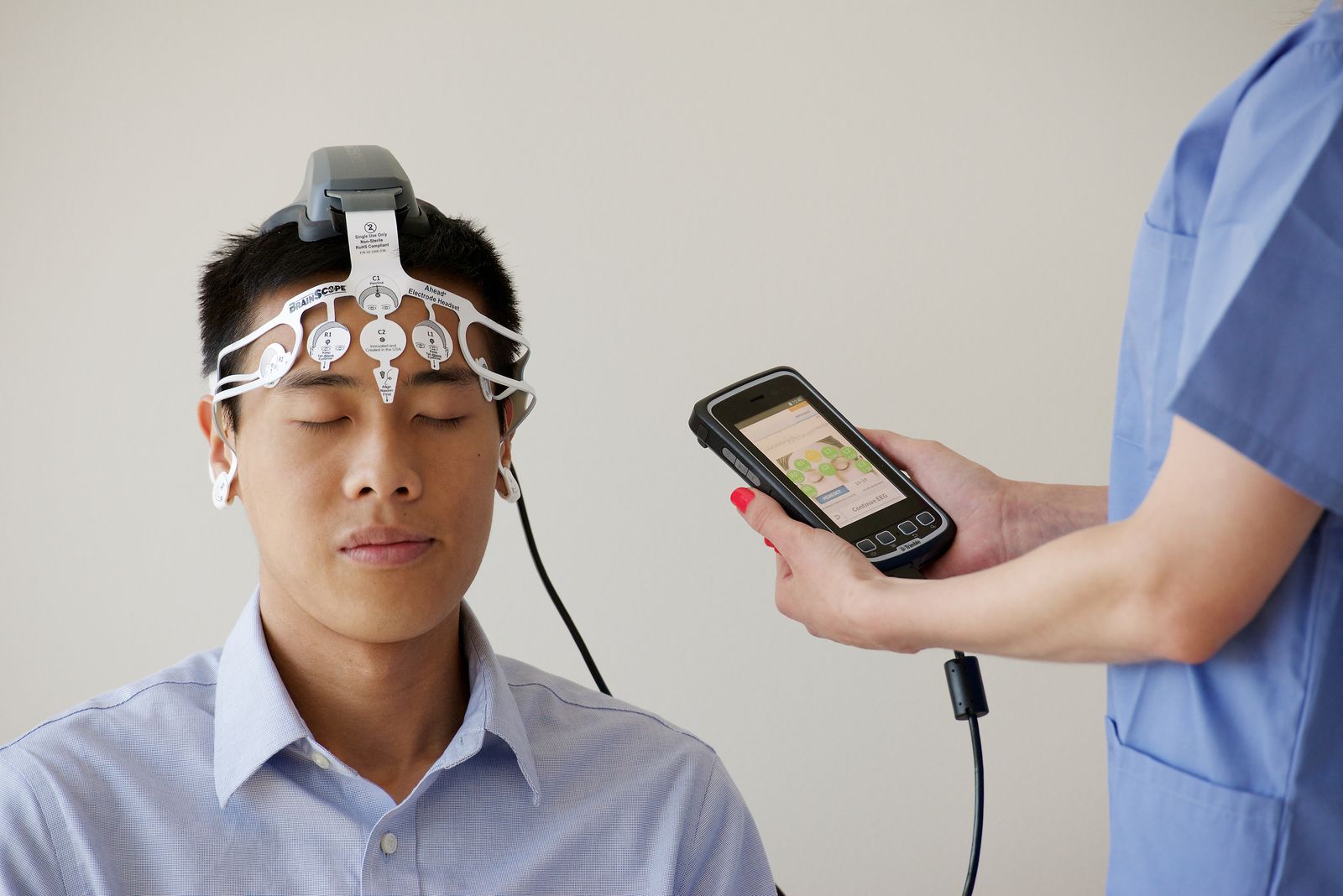
EEG (electroencephalography) is an important tool in diagnosing epilepsy. According to WHO data, the presence of a documented seizure cause (etiology) together with an abnormal EEG finding are the two most consistent predictors of seizure recurrence.1 When standard EEG is insufficient, Video EEG evaluation—available through our evaluation services—can clarify the diagnosis by recording brain electrical activity simultaneously with clinical findings during a seizure.
Treatment Approaches
According to WHO data, up to 70% of people with epilepsy can become seizure-free with appropriate antiepileptic drug treatment.1 In patients who have been seizure-free for two years, gradual reduction or discontinuation of treatment under physician supervision may be considered. In selected patients who do not respond adequately to medication, surgical treatment options may also be considered.1
When Should You See a Neurologist?
If you experience sudden convulsions with loss of consciousness, unexplained “staring” episodes, or recurrent attacks of unknown origin, it is recommended to see a neurologist for a detailed evaluation, including EEG if necessary.
Frequently Asked Questions
Does having one seizure mean you have epilepsy?
No. A diagnosis of epilepsy requires at least two unprovoked seizures; around 10% of the world’s population may experience a single seizure during their lifetime.
Can epilepsy be treated?
Yes, with appropriate medication, a large proportion of patients can become seizure-free.
Does EEG always detect epilepsy?
Not always; in some cases a standard EEG may not be sufficient, and advanced methods such as Video EEG may be required.
You can schedule an appointment for an evaluation if epilepsy is suspected.
References
- World Health Organization. “Epilepsy.” Fact sheet, last updated 7 February 2024. who.int/news-room/fact-sheets/detail/epilepsy