
MRI Monitoring in MS
Why Are MRI Monitoring and Imaging Important in MS?
The Role of MRI in Following Multiple Sclerosis
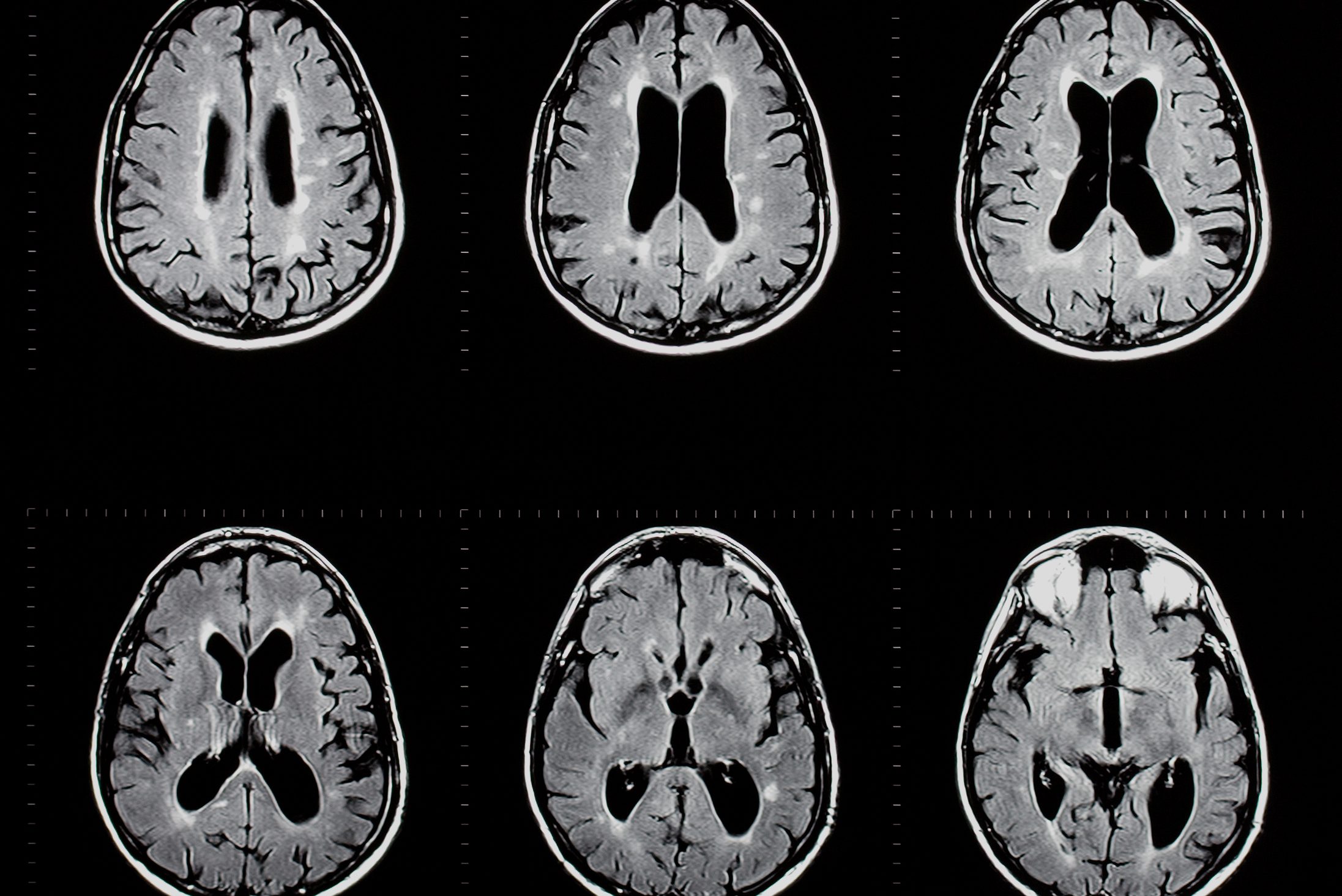
Multiple Sclerosis (MS) is not a disease that can be followed by clinical symptoms alone. Disease activity can sometimes continue without any symptoms. That is why magnetic resonance imaging (MRI) is one of the most important parts of diagnosis and follow-up in modern MS management.
MRI makes it possible to evaluate lesions in the brain and spinal cord, follow disease activity and measure the effectiveness of treatment objectively.
One of the basic principles of MS follow-up today is:
“Even if the patient feels well, the disease may be active on MRI.”
Regular MRI check-ups are therefore an indispensable part of long-term disease management.
Why Is MRI Used in Diagnosing MS?
In MS diagnosis, MRI shows demyelinating lesions in the central nervous system.
With MRI:
- MS plaques in the brain can be visualised.
- Spinal cord involvement can be evaluated.
- Active inflammation can be shown.
- The extent of the disease can be determined.
- Whether diagnostic criteria are met can be assessed.
Although it is one of the most important tools in diagnosing MS, MRI alone does not make the diagnosis. It must be evaluated together with the patient’s history, neurological examination and, when needed, other tests.
How Do MS Plaques Appear on MRI?
In MS the immune system damages the nerve sheath called myelin. These areas of damage can be seen as lesions or plaques on MRI.
Lesions are most commonly seen in:
- Cerebral white matter
- Periventricular regions
- Corpus callosum
- Brainstem
- Cerebellum
- Cervical spinal cord
The number, location and change of lesions over time provide important information for follow-up.
Why Is Contrast-Enhanced MRI Performed?
In some cases a contrast agent is used during MRI.
Contrast-enhancing lesions are usually lesions that are:
- Newly formed
- Showing active inflammation
- Reflecting disease activity
Contrast-enhanced MRI therefore provides important information particularly:
- At initial diagnosis
- When a new relapse is suspected
- When assessing disease activity
However, contrast may not be needed at every check-up. The decision depends on the patient’s clinical condition.
How Often Should MRI Be Performed?
There is no single answer to this question.
The frequency of MRI depends on factors such as:
- Type of disease
- Whether the diagnosis is new
- Treatment used
- Disease activity
- Previous MRI findings
In general:
Newly Diagnosed Patients
More frequent check-ups may be needed in the first years.
Patients on Treatment
Follow-up MRI scans are performed at regular intervals.
Patients With Suspected Disease Activity
Earlier evaluation may be needed.
MRI planning must always be individualised.
What Is Silent Disease Activity?
One of the most important concepts in MS follow-up is silent disease activity.
In some patients:
- There is no new relapse.
- There are no obvious complaints.
- The neurological examination may be normal.
However, new lesions may appear on MRI.
This can show that the disease is biologically active even though it appears quiet.
That is why judging disease control by symptoms alone is not enough.
How Is Treatment Effectiveness Assessed With MRI?
One of the main goals of modern MS treatment is:
- No new lesions
- No new relapses
- Halting disease progression.
With MRI, the following can be assessed:
- New T2 lesions
- Contrast-enhancing active lesions
- Brain volume loss
- Changes in disease burden
In some cases MRI findings may make a change of treatment necessary even if the patient feels well.
Is Every New Lesion a Treatment Failure?
No.
MRI findings should always be evaluated together with the clinical picture.
For a lesion seen during treatment, the following should be considered together:
- When it formed
- Whether it is close to the start of treatment
- Whether it shows active inflammation
- The patient’s clinical condition
It is therefore not right to make decisions based on the MRI report alone.
Detailed evaluation of the images by a neurologist experienced in MS is important.
Does Everything Written in an MRI Report Mean MS?
No.
Small white matter changes, which are very common in the population, can sometimes be mistakenly confused with MS.
In particular:
- Migraine
- Hypertension
- Diabetes
- Age-related changes
- Vascular disease
can produce similar appearances on MRI.
Rather than relying on the report alone, the images and the clinical picture must be examined together.
MRI Findings That May Require a Second Opinion
In some cases it can be helpful to have MRI scans re-evaluated.
For example:
- If there is uncertainty about the diagnosis
- If different centres have made different interpretations
- If new lesions have been reported
- If a change of treatment has been recommended
- If there is doubt about disease activity
a second opinion can be useful.
In MS management, correct MRI interpretation can directly affect treatment decisions.
MRI Evaluation in MS with Prof. Dr. Emin Özcan
Correct interpretation of MRI is very important in the diagnosis and follow-up of MS.
Prof. Dr. Emin Özcan has worked with Multiple Sclerosis and neuroimmunological diseases for many years and evaluates MRI scans together with clinical findings in his patients’ diagnosis, treatment and follow-up.
During MRI review the following are considered in detail:
- Lesion load
- Development of new lesions
- Disease activity
- Response to treatment
- Long-term risk assessment
The aim is not only to interpret the current images but to anticipate the future course of the disease and create the most appropriate follow-up and treatment strategy.
Frequently Asked Questions
How often should people with MS have an MRI?
It varies from patient to patient and is planned according to disease activity, treatment and clinical condition.
Is contrast-enhanced MRI harmful?
It can be performed safely in most patients, but whether it is needed should be assessed individually.
What does a new lesion on MRI mean?
It may indicate new disease activity, but it must always be interpreted together with a neurological evaluation.
If my MRI is normal, does that mean I don’t have MS?
No. Additional tests may be needed in some cases. Diagnosis does not rely on MRI alone.
If my MRI report says “demyelinating plaque”, do I definitely have MS?
No. A definite diagnosis requires clinical evaluation, examination and other tests.
What happens if a new lesion appears on MRI during treatment?
Disease activity is re-evaluated and, if necessary, the treatment strategy is reviewed.
Can MRI be evaluated for a second opinion on MS?
Yes. A second-opinion evaluation can be helpful, particularly regarding diagnosis, treatment change or new lesions.